Used Car Checklist: Inspecting Before You Buy a Used Car | Foreign Auto Imports LLC
What are the Things to Check Before Buying a Used Car
Buying a car is a major investment, so it’s important to make a well-informed choice. Whether you’re looking to buy a new car or a used vehicle, understanding what to check before you make your purchase can save you from future headaches. This guide will provide an extensive checklist of things to consider when buying a used car, ensuring you know exactly what to inspect and look for during your buying process.
A used car pre-purchase checklist is a simple guide that helps buyers inspect and evaluate a vehicle before making a purchase. It includes checking the car’s exterior, interior, engine, mileage, accident history, service records, and taking a test drive. Following this checklist ensures you avoid hidden issues, negotiate a fair price, and buy a reliable used car with confidence.
What Should You Look for When Inspecting a Used Car?
Before you make a purchase, it’s essential to thoroughly inspect the vehicle. Start by checking the exterior. Look for signs of damage such as dents, rust, or mismatched paint, which may indicate previous repairs. Additionally, check the wheel wells and under the hood for any signs of leaks or wear and tear. A detailed inspection provides valuable insight into the car’s overall condition.
Inside the car, ensure that all features are functional, including the air conditioning, lights, and stereo system. A clean, well-kept interior often suggests that the previous owner properly maintained the vehicle. Also, take the time to smell the interior; any musty odors may indicate water damage.
How Important Is a Test Drive Before Buying a Used Car?
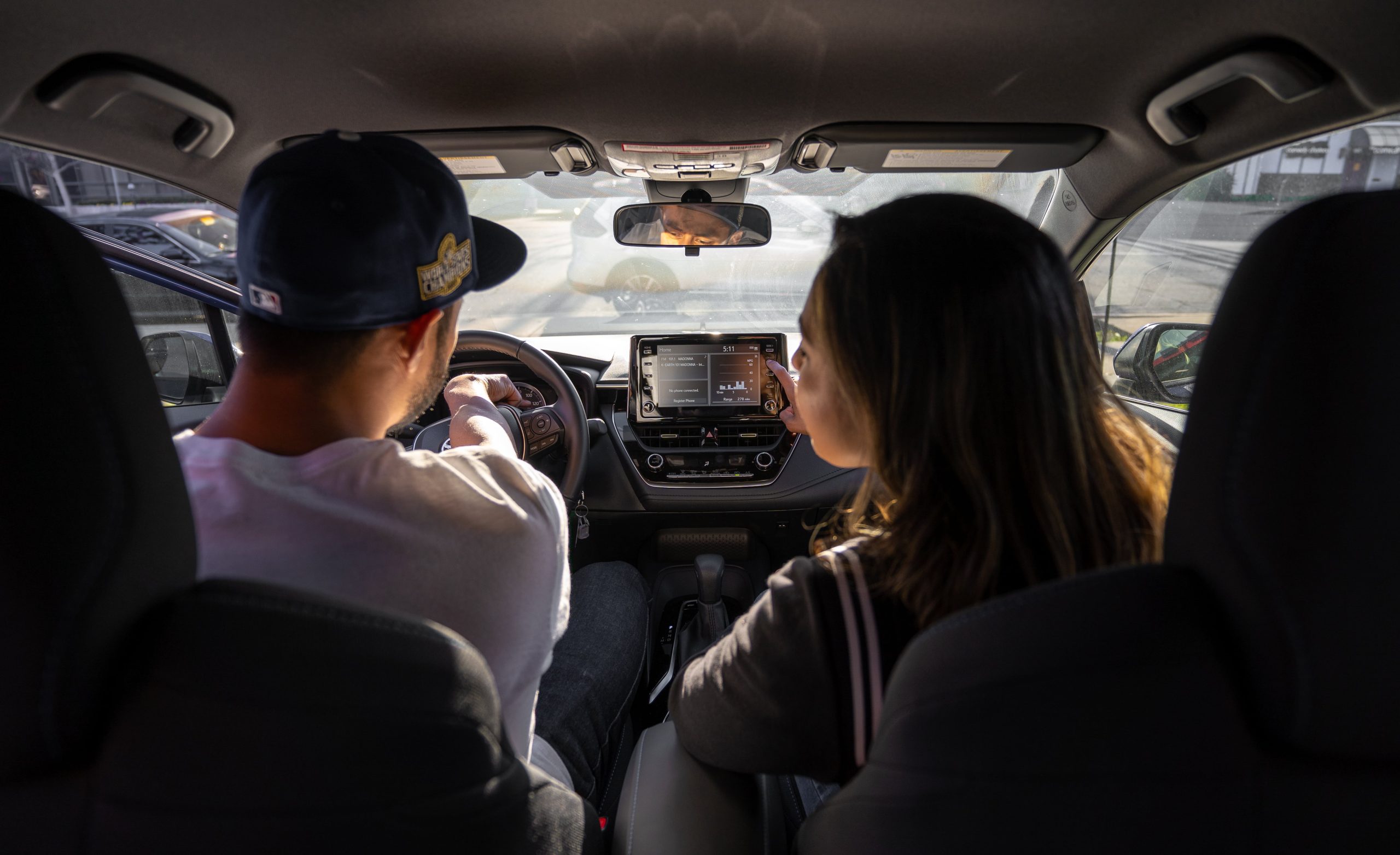
Test driving the car is one of the most important steps in the buying process. It allows you to assess how the car drives and handles. During the test drive, pay attention to how the brakes feel; they should respond smoothly without any grinding noises. Additionally, listen for any unusual sounds from the engine or transmission that may indicate potential issues.
Make sure to drive the car under various conditions, including highways and city streets. This will give you a better idea of the car’s performance and whether it suits your driving style. Keep in mind, a test drive isn’t just about how the car feels—it’s your opportunity to see if it truly meets your needs and expectations.
What Should You Ask the Seller When Buying a Used Car?
When buying from a private seller or dealership, asking the right questions is crucial. Inquire about the vehicle’s history, including any accidents or major repairs. Request the vehicle history report, which can provide insights into previous ownership, mileage, and any reported issues. It’s also essential to ask about the maintenance history; well-documented service records can indicate that the car has been properly maintained.
Don’t be afraid to ask the seller why they’re parting with the car. Their response can offer valuable insight—and if they mention problems or avoid the question, it could be a warning sign. Being diligent in your questioning can help you make a more informed decision.
Why is a Vehicle History Report Essential?
A vehicle history report is a crucial tool when inspecting a used car. It provides detailed information about the car’s past, including any accidents, title issues, and mileage discrepancies. This report can help you identify potential red flags that may not be visible during a physical inspection.
Obtaining a VIN (Vehicle Identification Number) from the seller allows you to access this report easily. Make sure to review the report carefully, as it can uncover significant issues that could affect your decision to purchase the car.
What Mechanical Checks Should You Perform Before Buying?
It’s wise to have a trusted mechanic inspect the vehicle before finalizing a used car purchase. A thorough inspection by a professional can reveal hidden issues that may not be apparent to a layperson. Mechanics typically check vital parts of the car, including the engine, transmission fluid, brakes, and hoses and belts, ensuring that everything is in good working order.
Additionally, they can identify signs of prior repairs or damage that could impact the car’s performance or safety. Investing in a mechanic’s inspection can save you money in the long run by avoiding costly repairs.
What Is Included in a Used Car Checklist?
- Check the exterior for dents, rust, and paint quality.
- Inspect the interior for wear and tear, odors, and functionality of features.
- Ensure all lights, including brake lights, work properly.
- Check tire tread and overall condition.
- Review the vehicle history report.
- Test drive the car under different conditions.
- Consult a mechanic for a thorough inspection.
- Ask the seller about the car’s history and maintenance.
- Review all paperwork for accuracy.
- Check for any outstanding recalls via the National Highway Traffic Safety Administration.
What Are the Common Signs of Damage to Inspect?
When inspecting a used car, knowing what signs of damage to look for can significantly help in assessing its condition. Look for signs of water damage, such as rust in the trunk or under the hood. Additionally, check for any signs of frame damage, which may indicate a serious accident in the car’s past.
Examine the body closely for dents or scratches that may not be cosmetic. Check the wheel wells and undercarriage for rust, as this can lead to serious structural issues over time. A clear understanding of these signs can help you gauge whether the car is worth purchasing.
How Can You Verify the Mileage on a Used Vehicle?
Verifying the mileage on a used vehicle is essential to ensure you’re not being misled about the car’s usage. Be sure to compare the odometer reading with the vehicle history report to ensure accuracy and consistency. If the mileage seems too low for the car’s age, it could indicate tampering.
Additionally, look for any wear and tear on the car that may not match the reported mileage. For example, excessive wear on the pedals, steering wheel, or seats can be a sign that the car has been driven more than indicated. Ensuring accuracy in mileage can help you assess the vehicle’s true value.
What Should You Know About Car Insurance for a Used Car?
Understanding car insurance is crucial when you’re preparing to buy a used car. Before finalizing your purchase, reach out to your insurance provider to get quotes based on the car’s make and model. Different vehicles can have varying insurance costs, so knowing this ahead of time can help you budget accordingly.
Additionally, inquire about any discounts available for purchasing a used vehicle. Some insurers offer lower rates for cars that are older and have a good safety record. It’s essential to factor in insurance costs as part of your overall budget when buying a car.
What Are the Final Steps Before Purchasing a Used Car?
Before finalizing the purchase of a used car, ensure that all paperwork is in order. Make sure the Vehicle Identification Number (VIN) matches across all documents, including the title, registration, and the car itself. Review the purchase agreement carefully to ensure all terms are clear.
Also, make sure you have arranged for payment and that the seller has provided any necessary disclosures regarding the car’s history. If you’re buying from a private seller, ensure that the title is transferred correctly to avoid any future legal complications.
What Are Key Takeaways When Buying a Used Car?
- Carefully inspect both the exterior and interior of the car to assess its overall condition.
- Always take a test drive to assess performance.
- Ask the seller key questions about the car’s history.
- Obtain a vehicle history report for reliability.
- Have a mechanic inspect the vehicle before purchase.
- Utilize a detailed checklist to make sure every important aspect is thoroughly evaluated and nothing is missed.
- Verify the mileage and look for signs of damage.
- Understand car insurance requirements for the vehicle.
- Ensure all paperwork is complete and accurate.
- Stay alert for potential red flags that may point to underlying problems with the vehicle.
Purchasing a used car can be a rewarding experience if you take the time to do your due diligence. Whether you’re buying from a dealership or a private seller, following these tips for buying a used car will ensure you make a well-informed decision. If you’re considering buying a used car, visit Foreign Auto Imports, a trusted used car dealership in Irvington, NJ, for a wide range of options and professional assistance in inspecting a used car before buying.